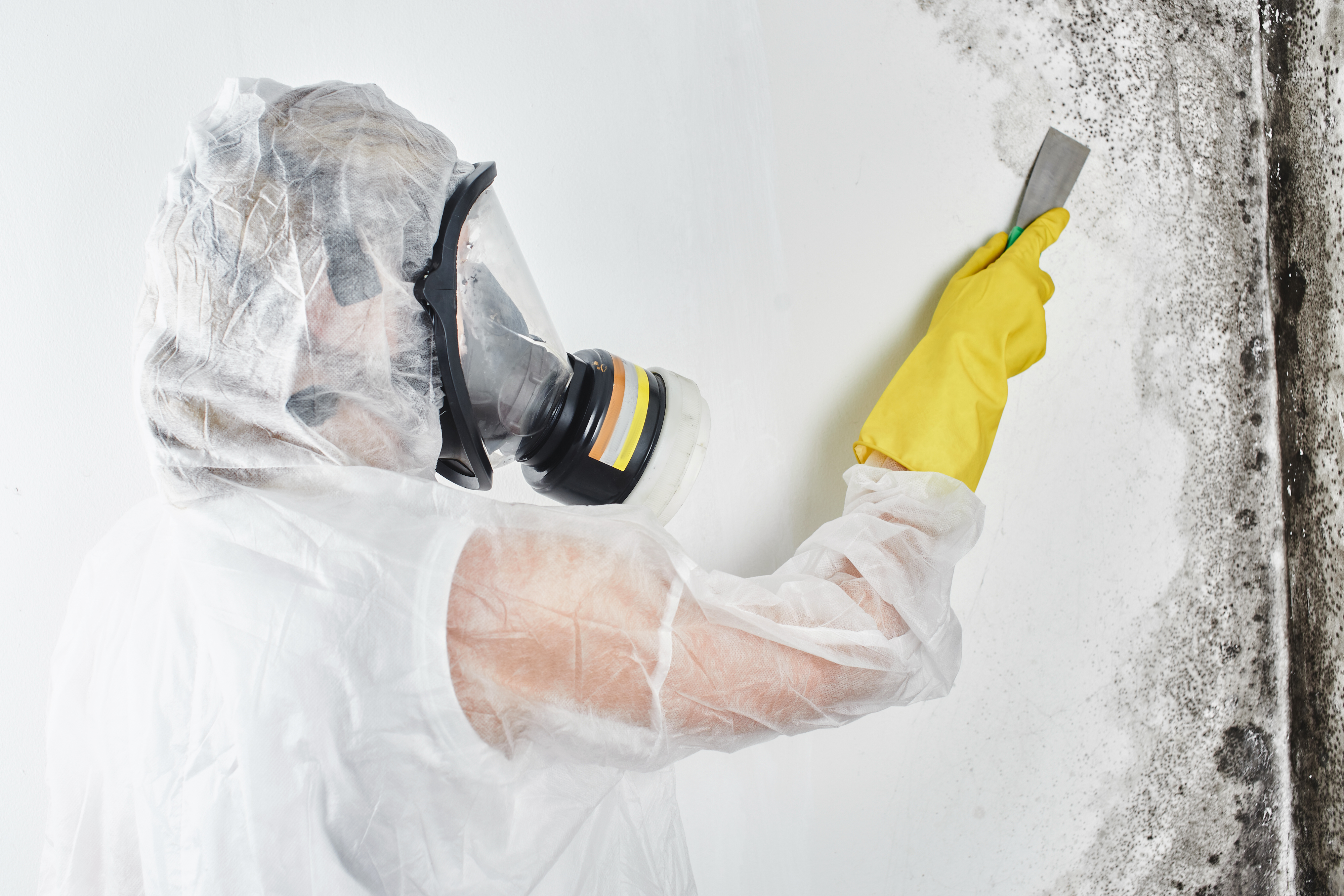
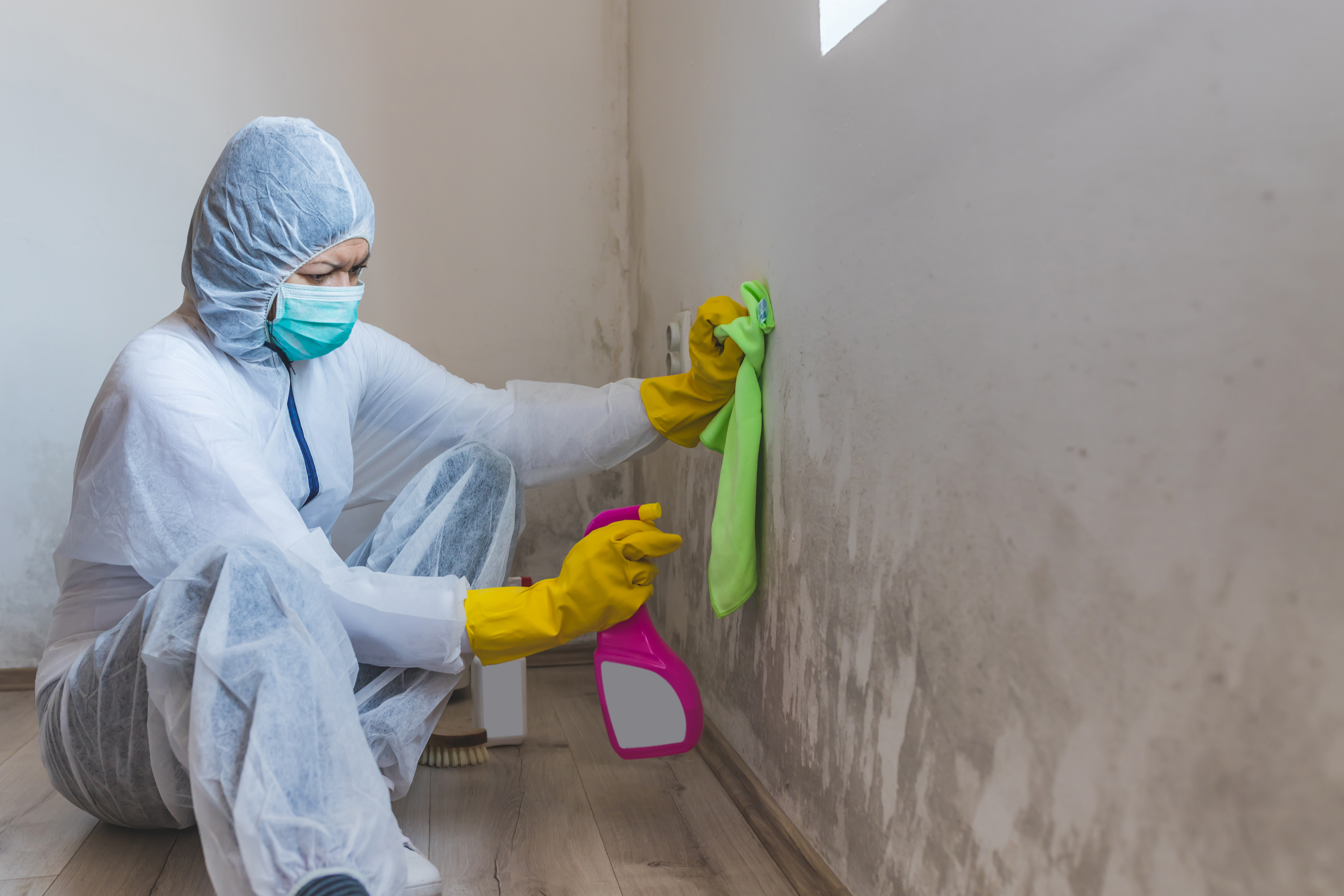
When mold is found either by visual evaluation or by digital methods utilizing moisture meters as well as various other electronic devices. When mold and mildew is discovered it may be essential to conduct a examination of the type of mold and mildew detected. Water damage, moist problems as well as water leaks all introduce a condition which contributes to mold growth. Mold testing is the most precise ways of determining whether mold is potentially unsafe to human health and wellbeing.
Exactly how Are Mold And Mildew Tests Conducted?
Normally, a sample of the air or a surface needs to be taken for mold screening. Our mold and mildew examiners essentially " examines" the air or surface to identify what kind of mold and mildew is present and/or if the mold is able to grow in the area checked out. Here at Nucleo Mold Remediation we can conduct mold and mildew testing for you when the presence of mold and mildew has been identified.
Why have a mold examination conducted?
Mold and mildew examinations are carried out when it believed that a home has a mold problem and the sort of mold and mildew development must to be established. The interior air quality is detrimentally effected by the presence of mold.
Toxic mold carries with it a high danger to human health and wellness and therefore it is necessary that the type of mold and mildew is determined to protect both the homeowner and also the residents of the building.
If a property has inadequate air flow, has had water damages, has a water leak or goes through high humidity levels, it is at higher threat of mold and mildew invasion. Visible mold may appear or a moldy odor may suggest the existence of hidden mold growth.
A mold and mildew evaluation might have been performed which has caused the need for mold screening to be done.
Evaluating for Mold And Mildew: Air Samples
There are numerous techniques for accumulating and also assessing air examples The technique that is used the most frequently is described as a "spore trap sample" In order for spore traps to operate, a known quantity of air has to go through the sample device, impact a sticky surface area, and then exit. Most of airborne particles engage with this sticky surface area too, sticking to and being trapped on it consequently. A subset of these " fragments in the air" are mold spores, which are also caught by the sticky product inside the spore trap. The mold screening research laboratory opens up the spore trap when it gets it for study, puts some stains to the sticky surface area that the mold and mildew spores can soak up, and afterwards determines and determines the sorts of mold spores that were captured throughout the sample procedure. Other mold and mildew sampling methods exist, such as cultivating or growing mold spores that have actually been collected from the air, but, they are less often utilized.
Testing for mold: Surface samples.
There are numerous methods for accumulating surface area samples. The three most typical strategies are:
huge samples. Swab examples are made use of to physically remove a portion of the tested area and send it to the mold screening lab. The location being tested, which is often a measured location, is touched with something looking like a cotton bud before being delivered to the mold and mildew screening center.
Tape may also be used as a method to collect samples. Accumulating up and removing some of the mold and mildew spores that got on the surfaceis carried out, a piece of clear tape is applied to as well as eliminated from the location being tested prior to being provided to the mold testing center for evaluation.
There are numerous techniques to analyze the mold samples once they have actually been sent out to the lab for mold and mildew testing. One of the most typical procedures require positioning pertinent pieces (or the entire mold and mildew sample) on a glass microscopic lense slide, placing a tarnish on it that mold and mildew spores can soak up, and afterwards analyzing the example for indicators of mold and mildew development.